The rise of Deckbuilders and the fall of Digital Card Games.
It is hard to believe it has been over ten years since Hearthstone exploded onto the gaming market. It had an enormous cultural impact on both PC and mobile audiences and launched a gold rush of digital card games from developers across major studios. The Witcher’s Gwent, The Elder Scrolls: Legends, and League of Legends’ own Legends of Runeterra all tried to compete with Hearthstone’s dominance. Yet they never reached the incredible heights of Blizzard’s digital card game. Years later, trading card games entered the market with Magic: The Gathering Arena and Yu-Gi-Oh! Master Duel, using the power of their existing audiences to stay competitive in what had become a one-horse race. Hearthstone still ruled the genre, but it was a shadow of its former self. What happened?
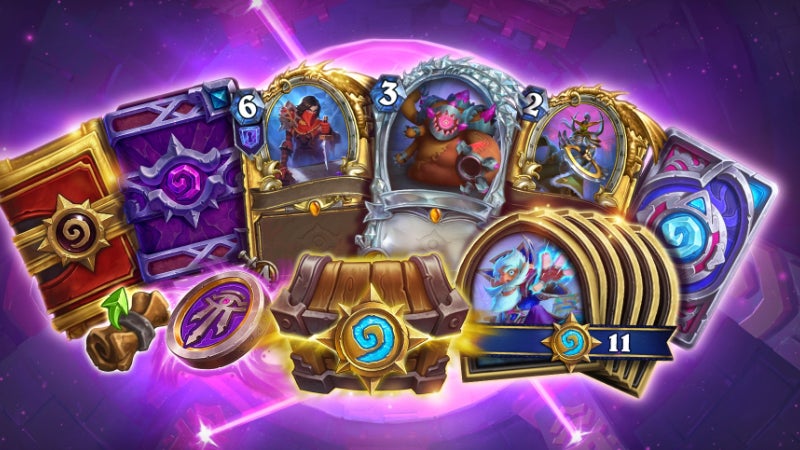
I believe there were two main factors behind the decline of digital card games: sustainability and the audience itself. Hearthstone had a unique cultural impact, and with its wide reach in the hands of millions of players, it was built on a worse version of the physical trading card game model. That model was simple: you bought a booster pack containing a selection of random cards that varied in rarity. What separated digital and physical card games was access to those cards outside of the booster pack. In Hearthstone, and many digital card games, the only way to get specific cards was to pump money into the booster pack lottery. The crafting system favoured this model because the cards you destroyed gave nowhere near as much value as you had spent acquiring them. This made the game very restrictive, driving consumers to spend more money to power up their decks. Where this differed from physical trading card games was the third-party market. Need a specific card? You could simply buy it from a vendor. Your friend had a card you wanted? You could trade for it. The digital card game model was never sustainable for the average gaming audience. A card game needs a release cycle of roughly three months to sustain its audience and encourage growth. If there were one hundred cards in a set, all only obtainable through booster packs, that is a lot of money for fans to spend every three months.
If the huge financial costs of a card game weren’t enough to make things difficult for the genre, then deckbuilders became the perfect alternative. The digital card game model was mostly focused on PvP. Hearthstone tried its hand at PvE content, but fundamentally the game wasn’t designed for it. As a non-competitive player, all your time and financial investment often led to one thing: could you climb the ladder? Achieving the Legend rank was prestigious, but given the game’s high randomness and cost of entry, it was a grind to achieve. Hearthstone improved its offering with additional content. Battlegrounds and Mercenaries offered alternatives to the traditional card battler model, but they didn’t capture the magic of Hearthstone’s initial release. If you were a card game fan but didn’t want to empty your wallet to keep up with the latest set, or you weren’t interested in PvP, then deckbuilders were the perfect alternative.
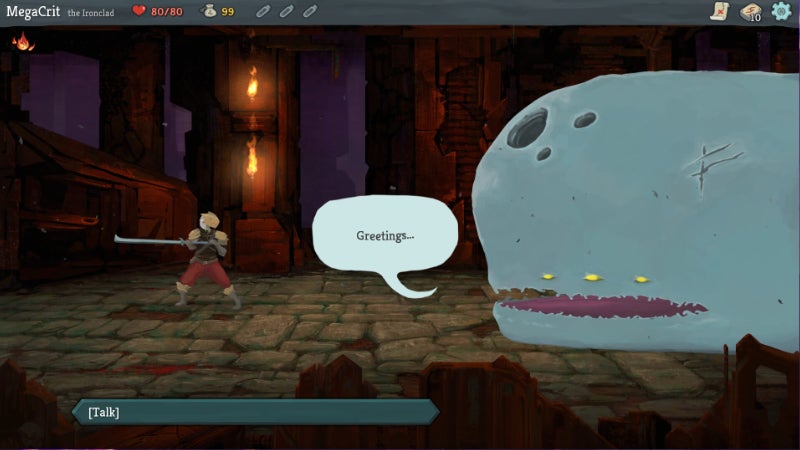
Slay the Spire was the Hearthstone-sized hit of the genre. A single-player, one-time purchase card game with deep deckbuilding and roguelike progression offered an affordable and engaging alternative. Deckbuilders had existed in the board gaming world long before Slay the Spire became a hit. The major difference between them was the scope of achievable with a video game, compared to the limitations of a physical board game. While Hearthstone emulated its trading card game inspirations, Slay the Spire innovated on the board game formula. Slay the Spire offered fun and reactive deckbuilding by rewarding cards after successful battles. By doing this, the game achieved immense replayability, with randomness becoming one of its greatest strengths. Sessions could be as short or as long as you liked, and the time investment was entirely down to the player. There was no grinding or spending money on microtransactions to gain an edge over the competition. Every part of the game gave the player agency over their time, commitment, and enjoyment.
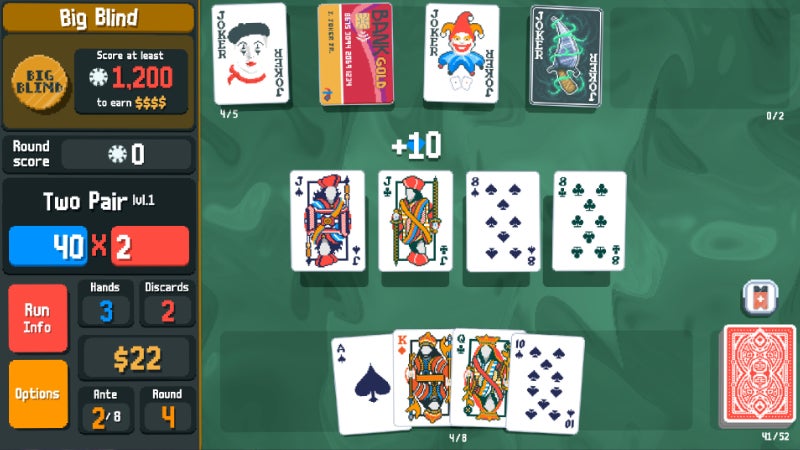
Balatro was a recent release that gave a unique spin to the genre and proved massively successful. It demonstrated that innovation still existed within the genre and that players were receptive to new ideas. Slay the Spire 2 entered early access with an all-time peak of 574,000 players during its first four months. It has struggled with mixed reviews in recent times, as the community demanded the same level of quality as the first game. However, the Early Access model offers the studio opportunities to listen to player feedback and improvements can be made.
Does this mean digital card games are dead? Not at all. Hearthstone, Magic the Gathering, and Yu-Gi-Oh! remain popular with their core audiences. Card games have always been a niche genre, but they have grown in popularity outside the traditional model. Magic continues creating sets based on popular IPs outside its own universe. Magic’s Marvel crossover is the latest at the time of writing. Magic has really become the Fortnite of trading card games, with IPs spanning multiple mediums having their own unique card. Never had I imagined that Spongebob and Doctor Who would do battle. Are there any new and highly anticipated digital card games on the horizon? Not that I can find. Hearthstone has left a massive hole in the market. I can’t see that level of success being replicated until a demand from its audience returns. Until then, players have the luxury of choice. They can compete in PvP-driven card battles or craft their own journey through the deckbuilding roguelite genre.
- Nicholas Christensen-Secker